Objectives
The primary focus of this project is on the technical implementation of multiplayer functionality rather than on graphics or user interface design. The objective was to explore and understand how to effectively implement multiplayer systems in Unity using Unity Netcode for GameObjects and Unity Lobby.
Project Description
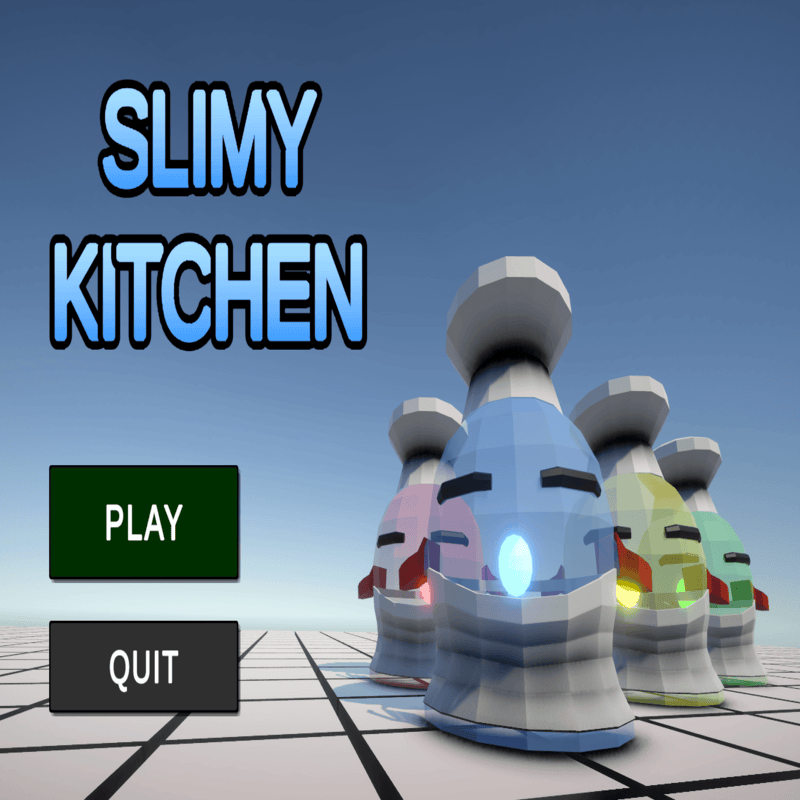
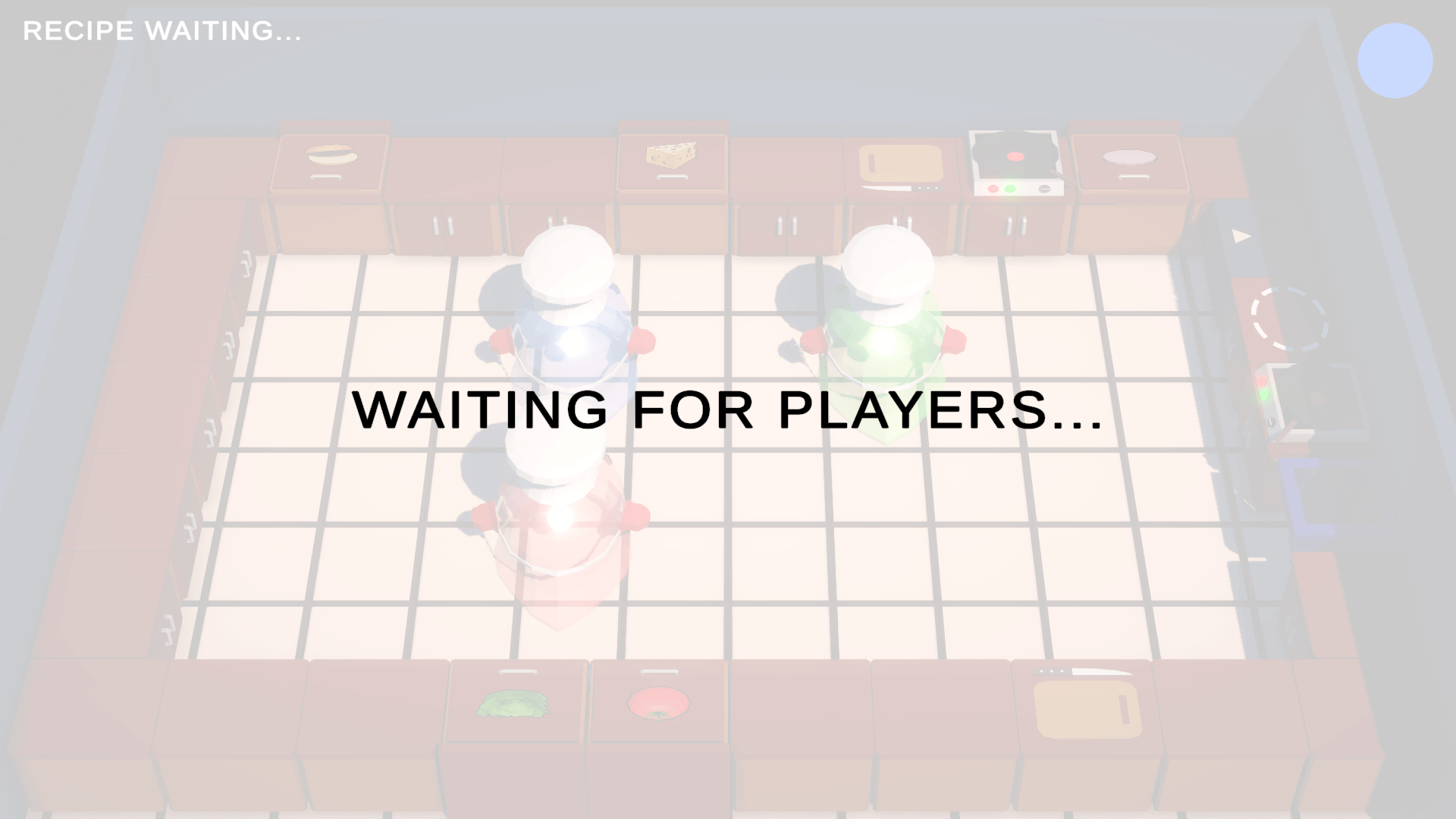
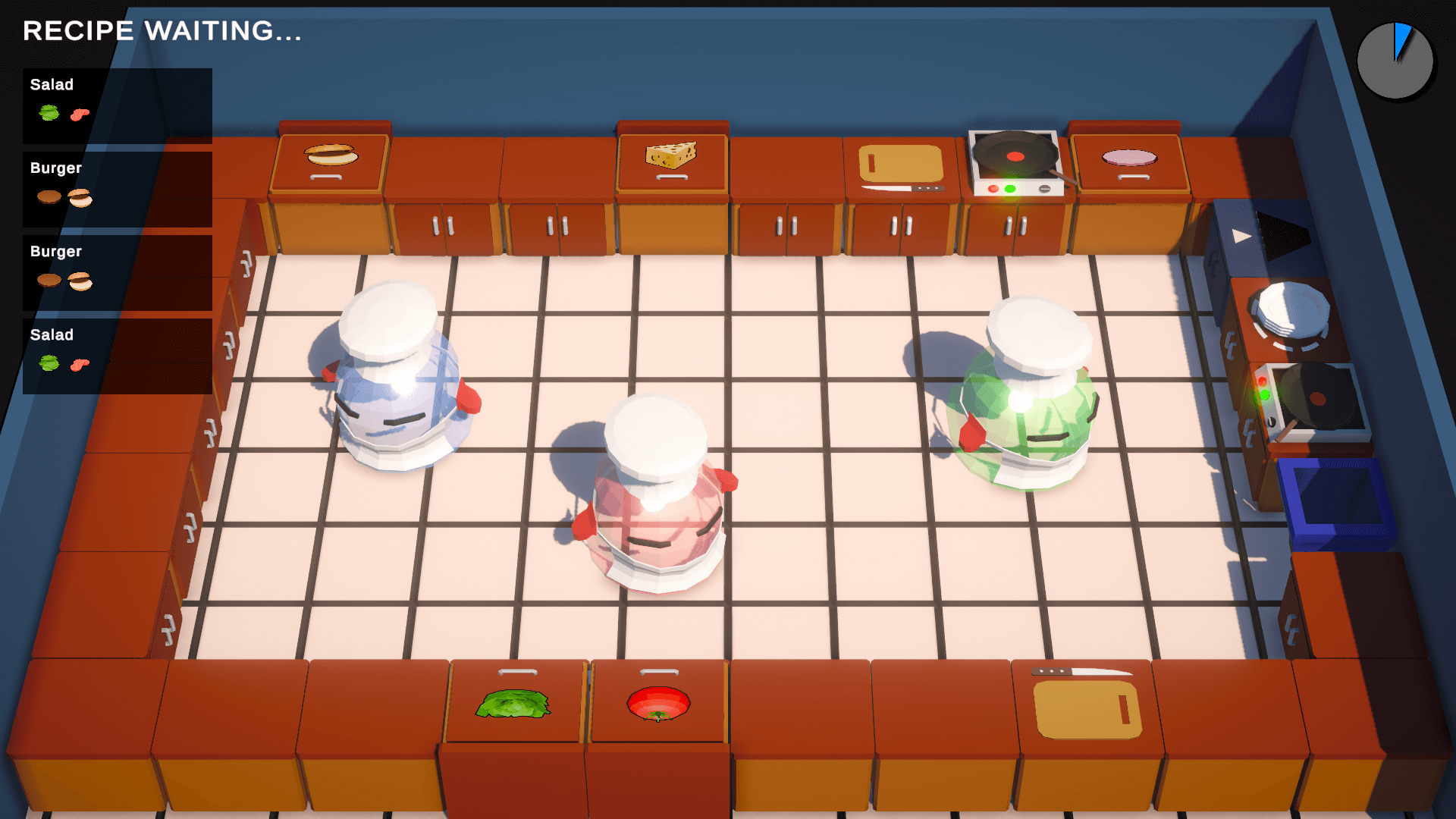
Slimy Kitchen Online builds upon the single-player foundation of Slimy Kitchen by introducing multiplayer functionality. Using Unity Netcode for GameObjects and Unity Lobby services, the game enables players to connect and collaborate online.
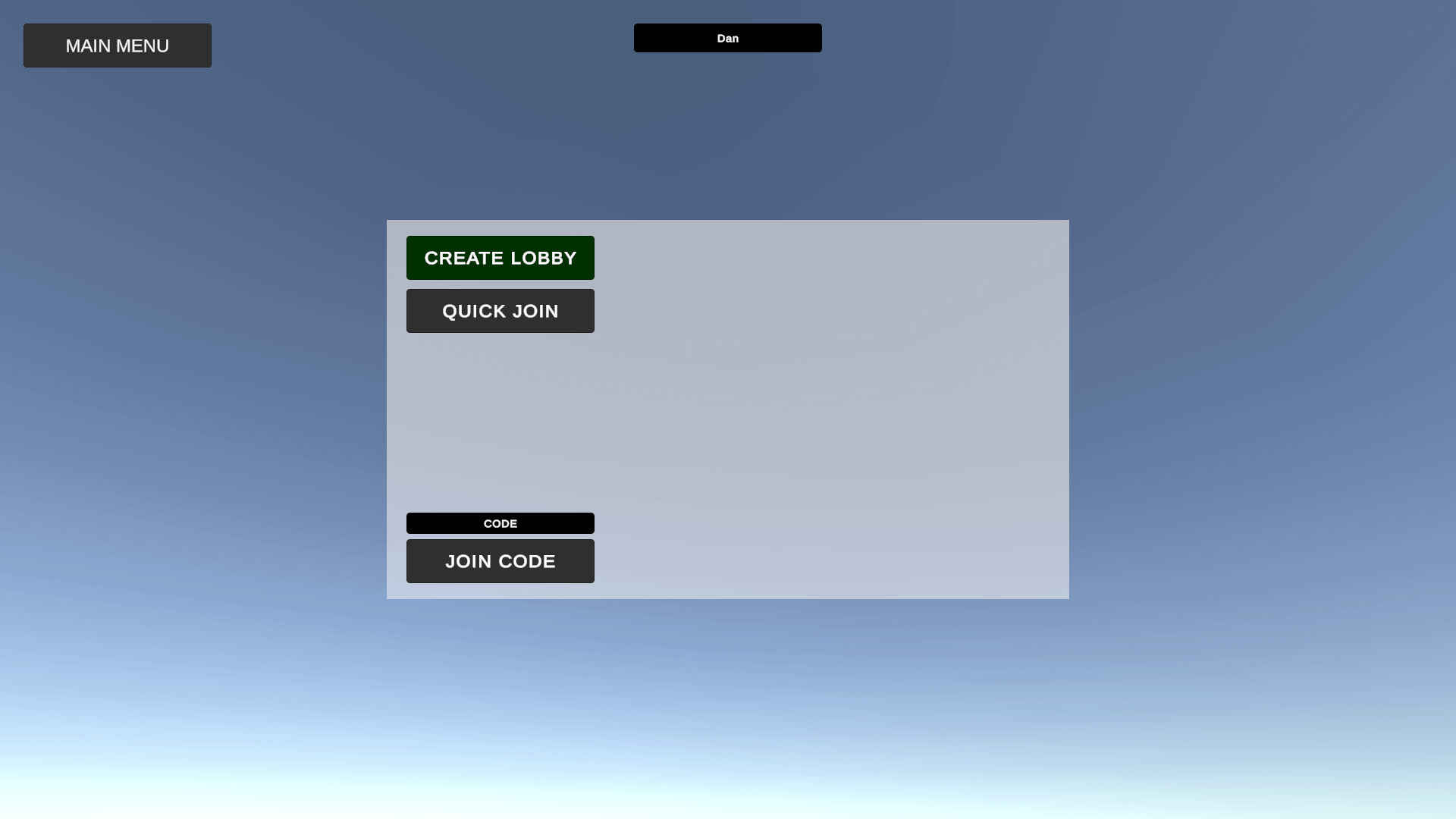
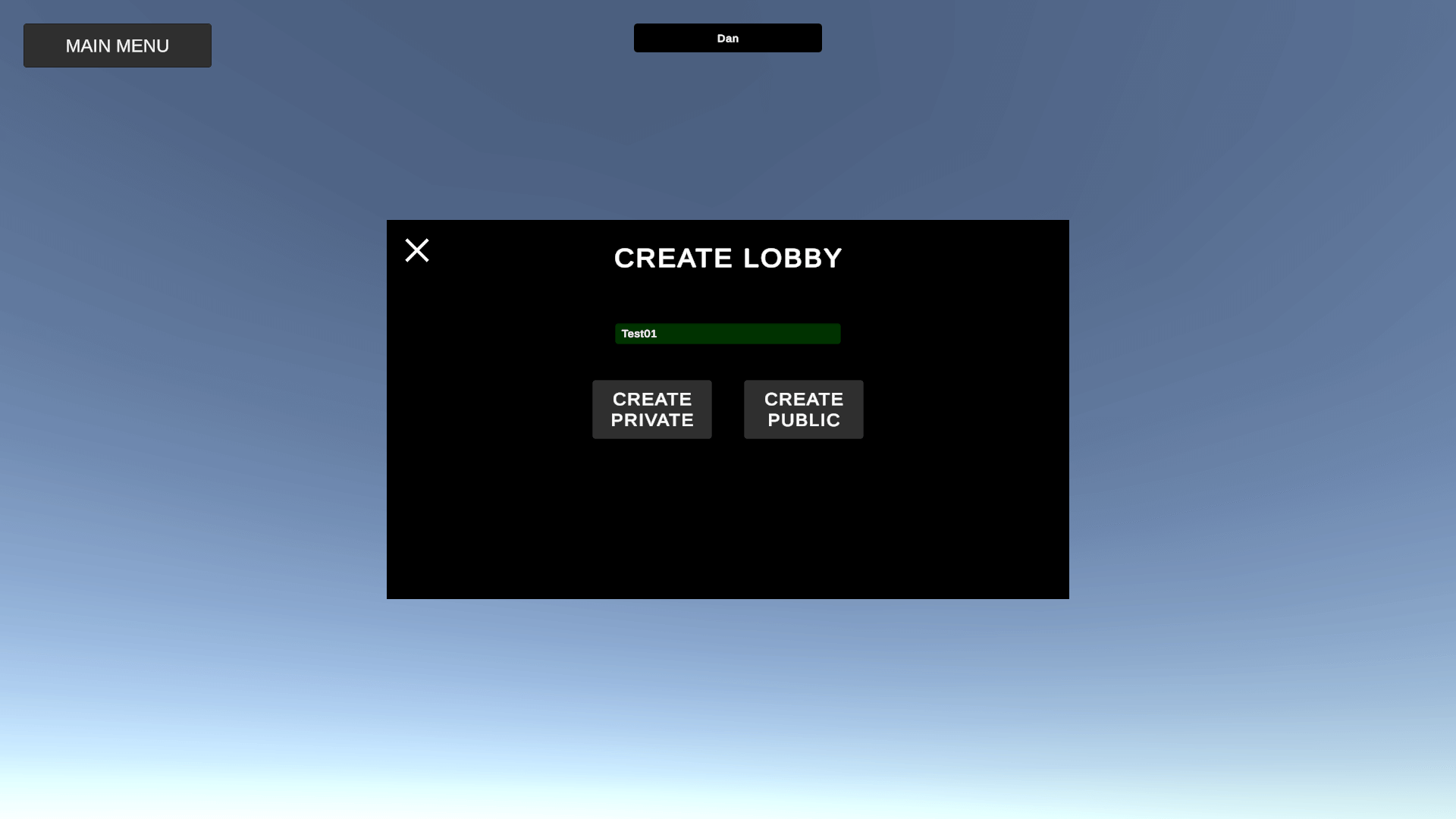
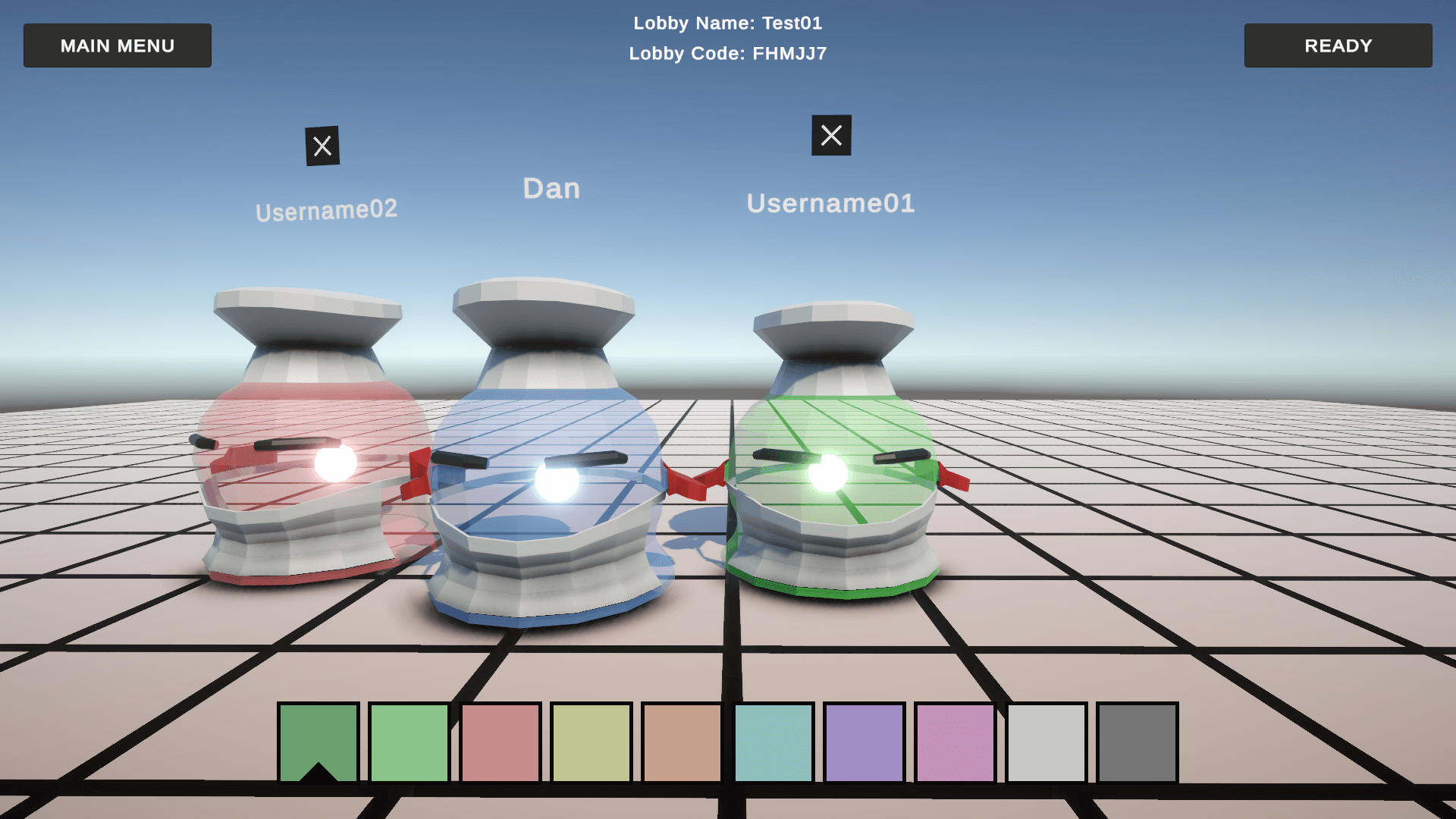
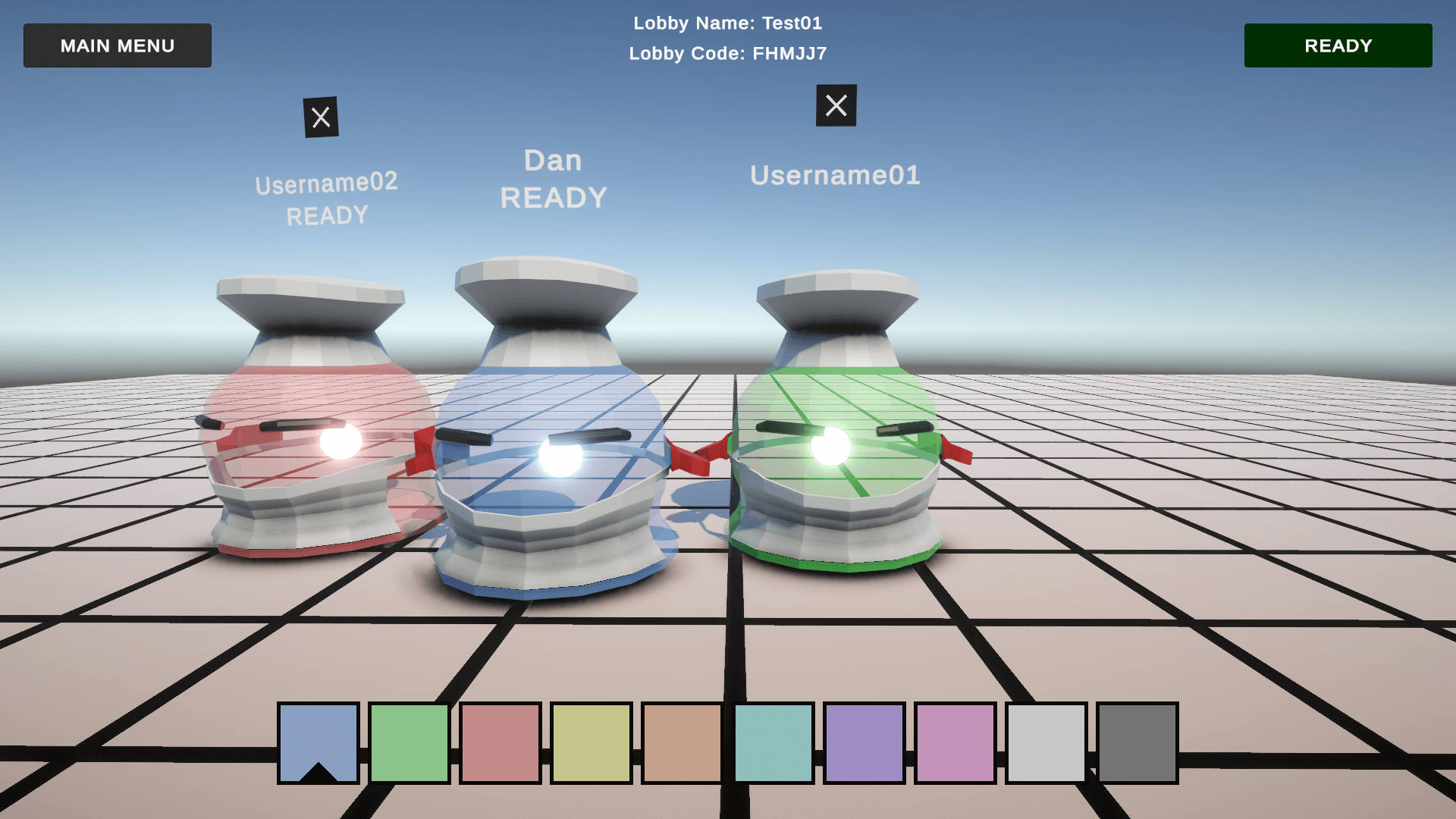
Players can create or join lobbies, allowing for up to 4 players (1 host and 3 additional players) to share the chaotic kitchen experience. Each player selects a unique slime color for easy differentiation during gameplay. The core mechanics, including order management, dish preparation, and time-limited delivery, remain consistent, ensuring the same engaging gameplay in a multiplayer setting.
This project demonstrates expertise in implementing multiplayer systems using Unity Netcode, managing synchronization for interactive elements, and leveraging Unity Lobby for player matchmaking. The scalable networking architecture maintains the modularity and flexibility of the original game while showcasing knowledge of low-latency interactions in a networked environment.